26 gauge is the floor here, not the target
Metal makes a particular kind of sense on this coast: it sheds wind rather than lifting into it, it does not care about UV the way asphalt does, and it lasts long enough that you only do it once. The details are where metal roofs succeed or disappoint.
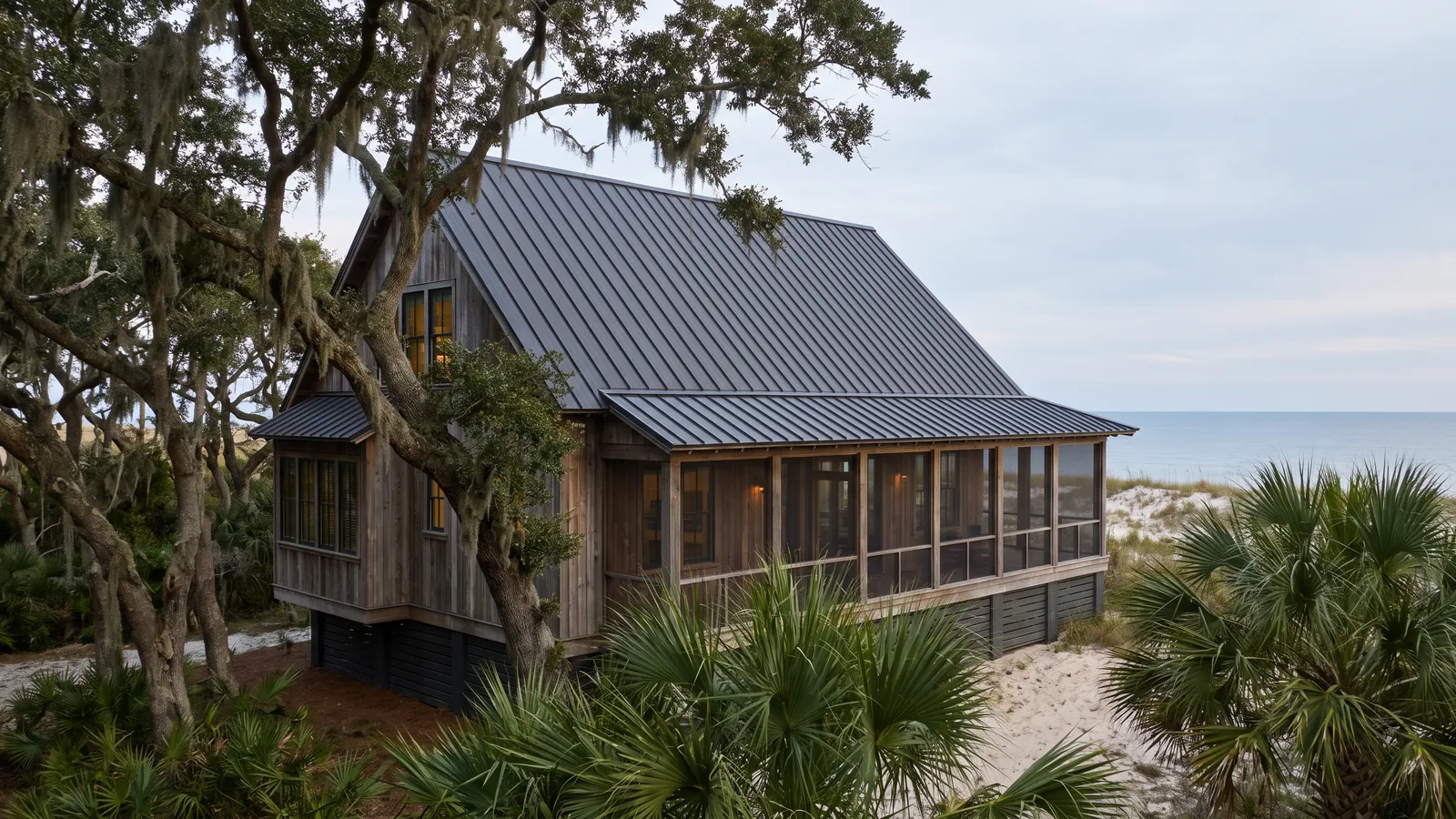
Two systems, and they are not equivalent. Standing seam has concealed fasteners — the panels clip to the deck and the seams lock or are mechanically crimped over the top, so there is no penetration through the weather surface at all. It costs more, it looks cleaner, and because nothing goes through the panel there is nothing to back out or perish. Exposed fastener, sometimes called through-fastened or R-panel, screws straight through the panel face with a neoprene washer under each screw head. It costs substantially less, it goes on faster, and its life is the life of those washers, which in Gulf sun and salt is typically fifteen years or so before they start weeping. Both are legitimate. They are just different purchases.
Gauge matters, and 26 is a minimum. Gulfport's roofing requirements set metal roofing at no thinner than 26 gauge. Lower numbers mean thicker steel, so 24 gauge is heavier than 26. On a coast that sees 100 mph gusts, 24 gauge standing seam is a meaningfully better product and the price difference is smaller than most people assume. Anything thinner than 26 is both non-compliant and a false economy that oil-cans in the heat and dents when a branch touches it.
The coastal specification. Salt air is the variable that catches people out. Galvalume — aluminium-zinc coated steel — substantially outperforms plain galvanised near the water. Aluminium panels cost more and do not corrode at all, which makes them worth considering on genuinely beachfront exposure. Fasteners and clips should be stainless or coated to match, because stainless panels fixed with ordinary screws fail at every screw. And the cut ends of panels need attention, since that is where a coated steel panel is unprotected and where rust starts.
What people ask about and should not worry about. Noise: a metal roof over a decked, underlaid, insulated roof space is not appreciably louder than shingle in rain — the drumming people remember is from barn roofs on open purlins. Lightning: metal does not attract it and, being conductive and non-combustible, is arguably a safer thing to have on the house. Heat: a reflective coated metal roof runs cooler than dark asphalt, not hotter.
And insurance. Many carriers discount for metal on this coast, and a metal roof can form part of an IBHS FORTIFIED roof. Worth asking your carrier before you choose, because the discount changes the arithmetic.
What's included
26 gauge minimum, 24 recommended
The city floor is 26. On a 160 mph design coast, 24 gauge standing seam is the better purchase for a modest premium.
Galvalume or aluminium near the water
Aluminium-zinc coating substantially outperforms plain galvanised in salt air; aluminium panels do not corrode at all.
Matched fasteners and clips
Stainless or coated to suit the panel, because mismatched fixings fail at every screw and stain the panel while they do it.
Cut ends treated
The sheared edge of a coated steel panel is unprotected, and it is where coastal rust reliably starts.
Concealed fastening where it counts
Standing seam puts no penetration through the weather surface, which removes the commonest metal roof failure entirely.
Underlaid and detailed properly
High-temperature underlayment, proper closures at ridge and eaves, and flashing that accounts for thermal movement.
Metal roofing prices on the Mississippi coast
| Job | Typical price | Notes |
|---|---|---|
| Standing seam, single storey | $24,000 – $34,000 | 26 gauge Galvalume, concealed fasteners |
| Standing seam, two storey or complex | $30,000 – $41,000 | Access, pitch and detailing dependent |
| Upgrade 26 to 24 gauge | Add $1,800 – $4,200 | Worth it on an exposed site |
| Aluminium panels, beachfront | Add $3,500 – $8,000 | No corrosion at all in salt air |
| Exposed-fastener metal, single storey | $15,000 – $22,000 | Lower cost; washer life governs it |
| Exposed-fastener, two storey | $19,000 – $26,000 | Access dependent |
| High-temperature underlayment | Included | Required under metal |
| Metal over an existing roof | Not offered | Gulfport permits one layer only |
These are 2026 ranges for Harrison, Hancock and Jackson counties, to give you something to plan around. The real figure comes after someone has been on the roof, with the scope, the permit and the inspections itemised; written estimates hold for 30 days.
Recent work
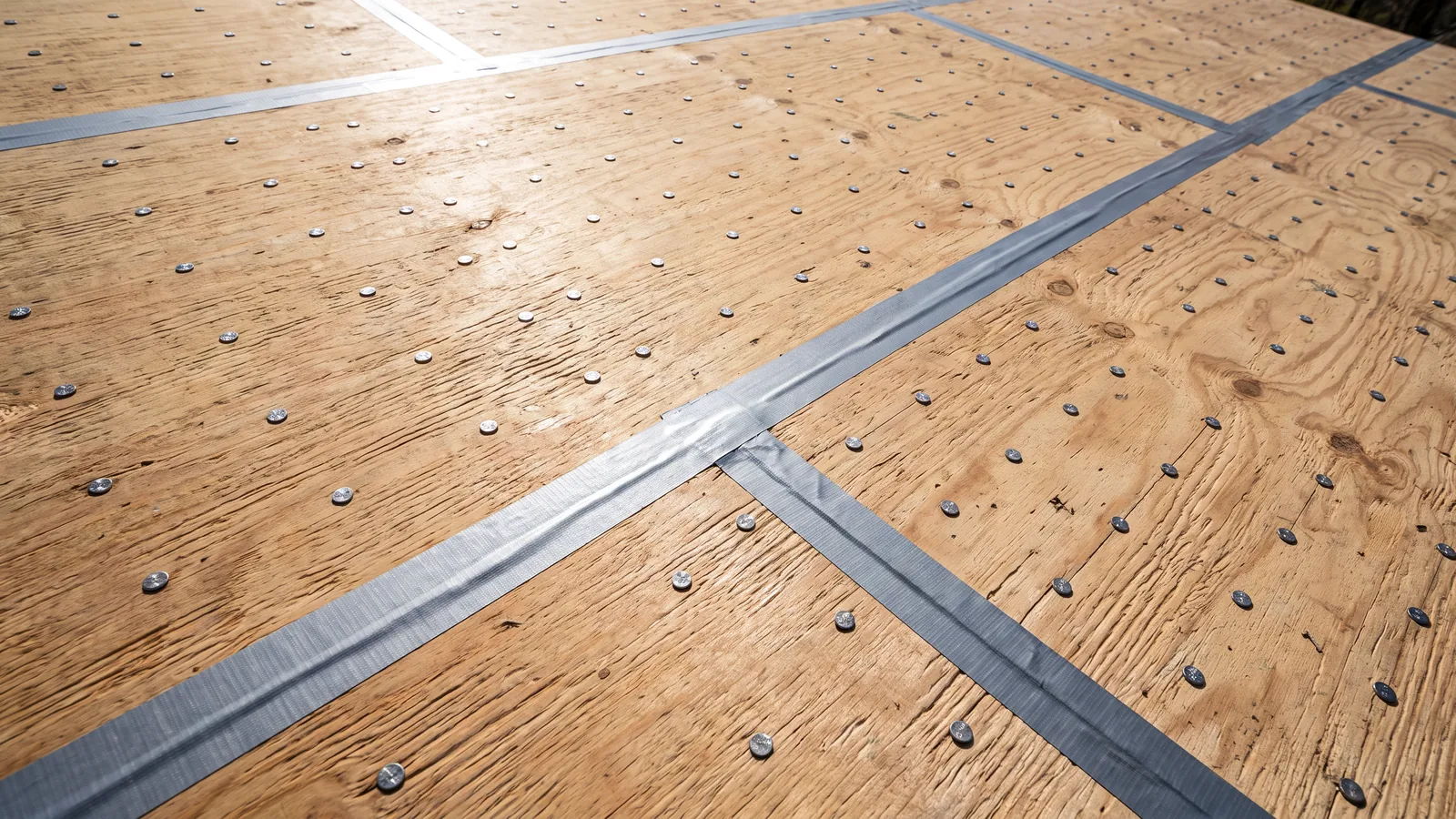
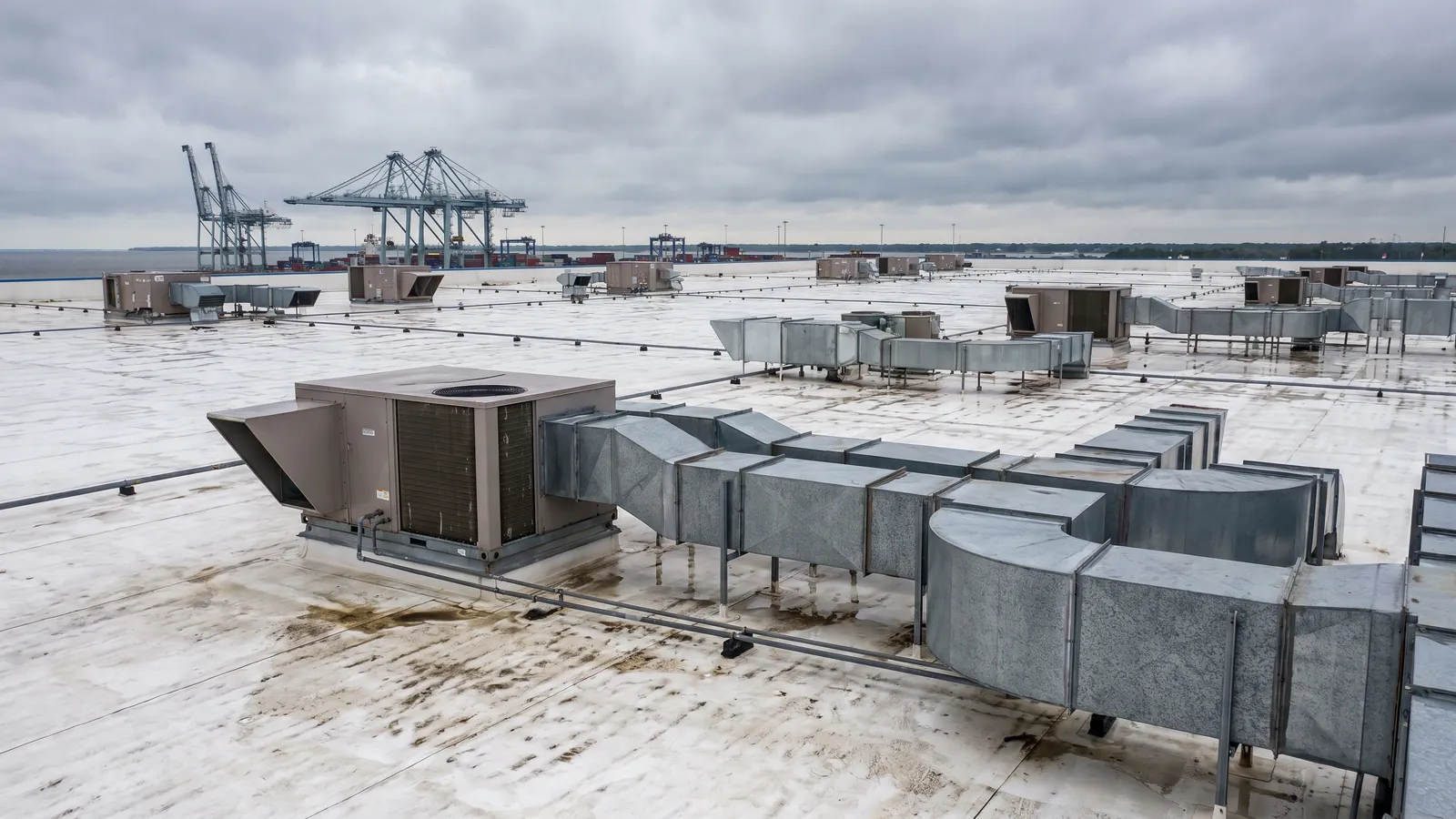
Questions we get about metal roofing
Is a metal roof noisy in rain?
Not on a house. The drumming people remember comes from panels on open purlins with nothing underneath, as on a barn. Over solid decking with underlayment and an insulated roof space, the difference against shingle in rain is small and most people stop noticing it within a week.
Does metal attract lightning?
No. Lightning is not drawn to metal roofs, and if a strike does occur a metal roof is a better thing to have than a combustible one — it conducts the energy and will not ignite. Insurers do not rate metal roofs as a lightning risk, which tells you how the industry sees it.
How long does metal last here?
Standing seam, realistically forty years or more, and often considerably longer with a Galvalume or aluminium panel. Exposed-fastener is governed by its washers, which in this sun and salt want attention at around fifteen years — budget for a fastener campaign rather than assuming the roof is finished.
Will it dent in hail?
It can, and the degree depends on gauge. 24 gauge resists far better than 26, and standing seam panels with ribs are stiffer than flat ones. Worth knowing that most hail denting on metal is cosmetic rather than a breach — the roof keeps working. Insurers treat cosmetic damage inconsistently, so check your policy wording.
Can metal go over my existing shingles?
Not in Gulfport. The city allows one roof layer only, with no overlays, so the shingles come off whatever is going back on. Elsewhere it is sometimes permitted, and it is still a poor idea on a high-wind coast because it hides the decking nobody has then inspected.
Does metal qualify for the FORTIFIED grant?
Metal can form part of a FORTIFIED Roof, yes — the standard is about the deck sealing, the fastening and the edge detail rather than the covering material. The grant from Strengthen Mississippi Homes runs up to $10,000. See the grant guide for the eligibility rules.